At Green Orthodontics, our mission is to provide our patients with orthodontic treatment of exceptional quality in a welcoming, professional environment. Your smile and confidence are our priorities, and we are honored to be a part of this journey.
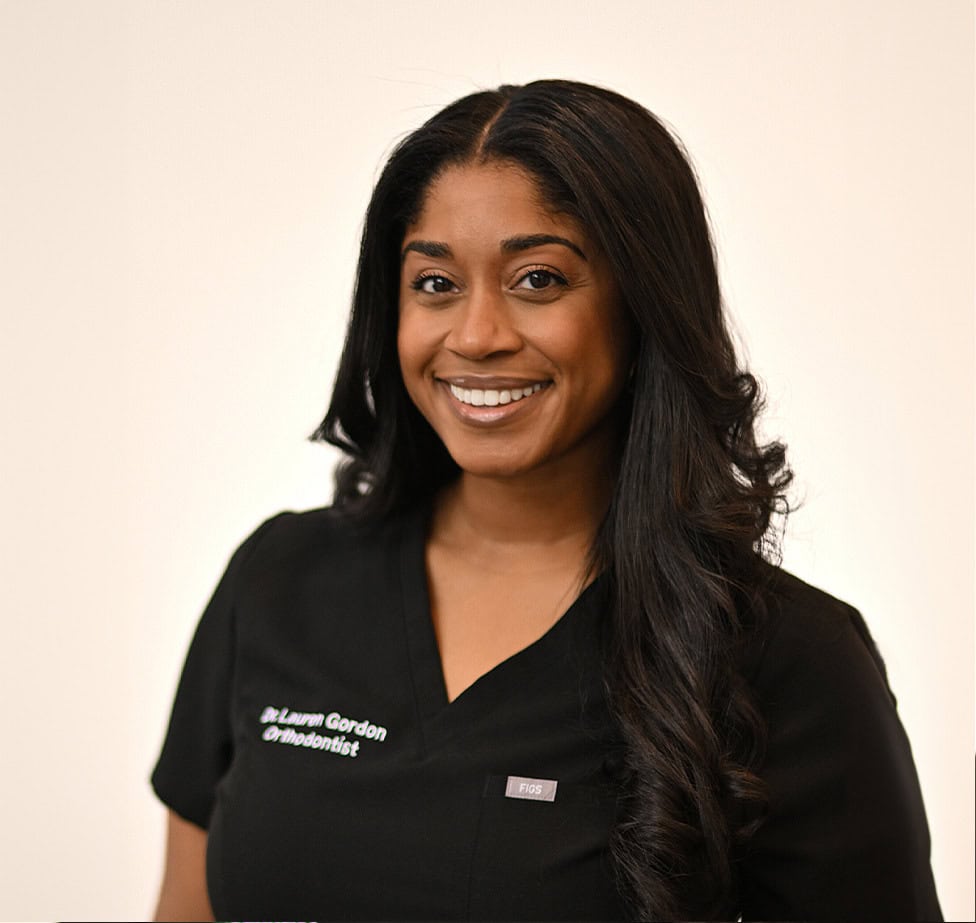
It is my personal philosophy that a healthy bite and a beautiful smile go hand in hand. I also believe that everyone deserves their best smile. As a double board-certified orthodontist in both Canada and the United States, I am committed to providing every patient with treatment options that are comprehensive, customized, and cutting-edge in a way that is convenient, comfortable, and cost-effective.
I involve patients in their treatment; explaining bio-mechanics, providing visual aids, and mapping out your progress together are some of the ways I get patients excited about the orthodontic process.
Dr. Gordon’s own personal experiences as a dental patient ignited her pursuit of a career in dentistry. She believes that the smile a person wears each day plays an integral role in the confidence and energy they exude to the world. Dr. Gordon loves guiding patients through the smile transformation that leads to their most confident and radiant smile.
Dr. Gordon has been continuously invested in advancing the field of dentistry through research and technology and was acknowledged as an emerging leader within the orthodontic community by the American Association of Orthodontists (AAO).
We believe people prefer personal, individualized treatment from a community-based team. You will find that at our practice, you and your family are part of our family.
patient, orthodontics, oral hygiene, tooth, hygiene, clear aligners, american association of orthodontists, mouth, confidence, appointment request, greenlake orthodontics, braces, orthodontic care, orthodontic treatment, orthodontist, dr green orthodontist, dr green ortho, green valley orthodontics, green dental & orthodontics, green ortho, green orthodontics
Frequently Asked Questions
How do orthodontists know when to remove braces?
Orthodontists determine when to remove braces based on treatment goals being achieved — straight teeth, proper bite alignment, and overall oral health. Factors like patient compliance, treatment progress, and individual case complexity influence the timing of brace removal. Regular evaluations and adjustments help orthodontists track progress for optimal results.
Does Green Shield cover orthodontics?
Green Shield typically offers coverage for orthodontic treatment, including braces and Invisalign, through their dental plans. However, coverage specifics can vary depending on the plan and individual circumstances. It's recommended to contact Green Shield directly or review the insurance policy to determine the extent of orthodontic coverage available.
Are braces orthodontic treatment?
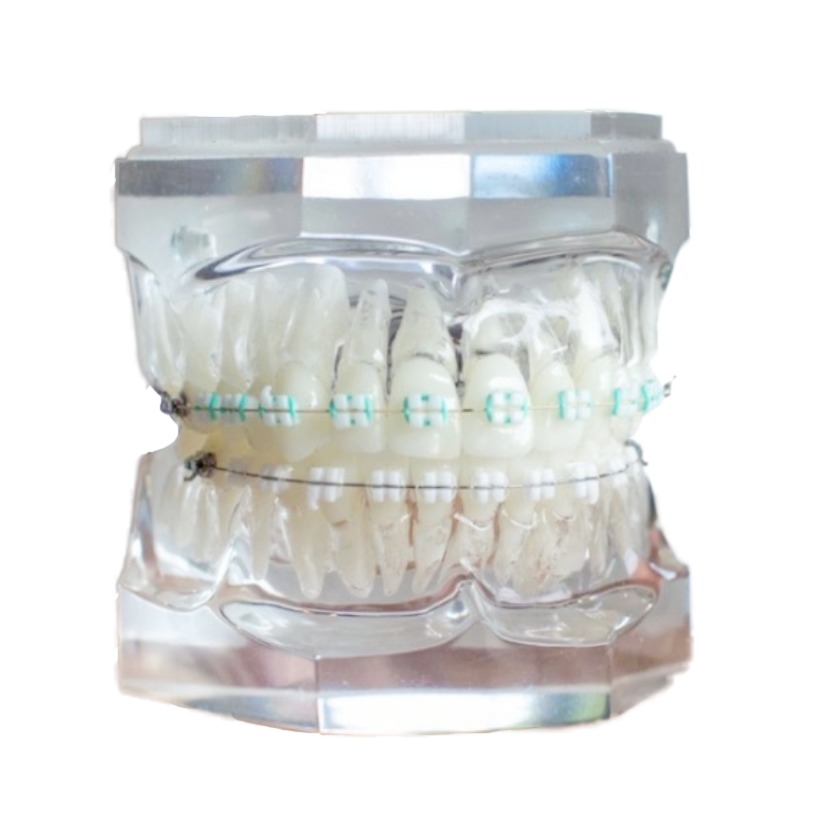
Yes, braces are a common orthodontic treatment option used to correct misaligned teeth and bite issues. Traditional braces consist of brackets and wires that apply gentle pressure to move teeth into their proper position over time, making them a key orthodontic solution for many patients seeking improved oral health and aesthetics.
Do orthodontic residents get paid?
Orthodontic residents typically receive a stipend or salary during their residency training. The exact amount can vary based on the program, location, and level of training. Residents may also have the opportunity to earn additional income through teaching, research, or other responsibilities within the residency program.
How long does orthodontic treatment last?
The duration of orthodontic treatment varies based on individual needs, but typically lasts from 1 to 3 years. Factors such as alignment issues, treatment type, and adherence to guidelines can impact the timeframe. Regular appointments and proper care help ensure treatment progress efficiently.
What colors are best for braces?
The best colors for braces typically depend on personal preference. Some popular options include neutrals like silver, clear, or white, while others may choose bold colors like blue, green, or purple. Ultimately, it's important to select colors that you feel comfortable and confident wearing during your orthodontic treatment.
Can orthodontists fix crooked teeth?
Yes, orthodontists can fix crooked teeth through treatments such as braces or Invisalign. These methods gradually align the teeth over time, improving the aesthetics and functionality of the smile. Additionally, orthodontists may recommend other interventions like expanders or surgical orthodontics for severe cases. Regular consultations with an orthodontist can help determine the best treatment plan for correcting crooked teeth.
How often are orthodontic check-ups needed?
Regular orthodontic check-ups are typically required every 6 to 8 weeks to monitor progress, make adjustments, and address any issues that may arise during treatment. These visits help ensure the treatment plan is on track for optimal results. Following the orthodontist's recommended schedule is crucial for successful treatment outcomes.
What age should orthodontic treatment start?
Orthodontic treatment typically starts around the age of 7, as recommended by the American Association of Orthodontists. However, the exact age can vary depending on individual needs and consultation with an orthodontic professional. Early treatment can help address issues before they become more severe, leading to better results in the long run.
Are there alternatives to traditional braces?
Yes, alternatives to traditional braces include Invisalign, which uses clear aligners, and other options like ceramic braces or lingual braces. Each option has its benefits and considerations, so discussing with an orthodontist is crucial to determine the best choice for individual needs.
How does orthodontic insurance work?
Orthodontic insurance typically covers a percentage of the total treatment cost, up to a specified lifetime maximum. Patients pay the remaining balance. Prior authorization may be required. Verify coverage, understand deductibles, and co-pays before starting treatment. Ensure the orthodontist accepts your insurance for a smoother reimbursement process.
Can orthodontic work correct overbites?
Yes, orthodontic treatments can correct overbites by realigning the teeth and jaws. Options such as braces or Invisalign are effective in gradually moving the teeth into the correct position, thereby correcting overbites. It's essential to consult with an orthodontist for personalized treatment plans.
Is orthodontic care considered essential?
Orthodontic care is typically considered essential for addressing oral health issues, improving bite function, and enhancing overall well-being. During the COVID-19 pandemic, many orthodontic practices have implemented safety measures to continue providing necessary care while prioritizing patient health. It's important to consult with your orthodontist to determine the essential nature of your specific treatment.
What is the success rate of braces?
The success rate of braces varies depending on individual cases. Typically, braces have a success rate of over 90% in achieving the desired results of straightening teeth and correcting bite issues. Compliance with treatment, proper oral hygiene, and following orthodontist's instructions are crucial factors in achieving successful outcomes with braces.
How to maintain braces hygiene?
To maintain braces hygiene, follow these tips:
Brush after every meal, using a soft-bristle toothbrush and fluoride toothpaste.
Floss daily with a floss threader or orthodontic floss.
Rinse with mouthwash to reach areas brushing may miss.
Avoid sticky, hard, or sugary foods that can damage braces.
Attend regular dental cleanings and check-ups.
Do braces colors have meanings?
Braces colors do not have specific meanings in terms of treatment. However, patients can choose colors to express their personality or style. Some practices offer color options, allowing individuals to customize their braces to suit their preferences. This personalized touch can make the orthodontic experience more enjoyable for patients.
Can braces fix gaps effectively?
Braces are effective in fixing gaps between teeth by gradually moving the teeth into proper alignment. This process can help close gaps and improve overall bite alignment. For more severe cases, additional treatments like dental bonding or veneers may be considered after braces treatment. Regular consultations with an orthodontist can determine the best course of action for individual cases.
What are the risks of orthodontics?
Some risks of orthodontic treatment include tooth decay, gum disease, root resorption, allergic reactions to braces materials, and temporary discomfort or pain. Jaw joint problems, minor changes in bite alignment, and prolonged treatment length are also potential risks to consider. Regular dental check-ups during treatment can help minimize these risks.
How to choose an orthodontist?
When choosing an orthodontist, consider:
1. Experience and expertise in orthodontic treatments.
2. Technology and services offered.
3. Patient reviews and testimonials.
4. Personalized treatment plans.
5. Location and convenience of the practice.
6. Insurance acceptance and payment options.
7. Comfort and atmosphere of the office.
Do clear braces cost more?
Clear braces typically cost slightly more than traditional metal braces due to their innovative material and aesthetics. The exact pricing can vary based on individual factors and treatment needs. Factors influencing the cost include insurance coverage, treatment complexity, and location. It's advisable to consult with an orthodontist for a personalized cost estimate.
Are there orthodontic payment plans?
Yes, at Green Orthodontics, we offer payment plans for orthodontic treatment to make it more affordable for our patients. Our team works with you to find a plan that fits your budget and needs, ensuring you can achieve your smile goals without financial stress. Contact us to discuss payment options.
Can adults benefit from orthodontics?
Yes, adults can benefit from orthodontics. Treatment options like Invisalign and braces can straighten teeth, improve bite alignment, and enhance overall oral health. Orthodontic treatment for adults is common and can boost confidence and self-esteem. Consultation with an orthodontist can determine the best approach for individual needs.
How to manage braces discomfort?
To manage braces discomfort, consider the following tips:
Use orthodontic wax to cover any irritating brackets or wires.
Eat soft foods to reduce pressure on teeth.
Rinse with warm salt water for relief.
Take over-the-counter pain medication as needed.
Communicate with your orthodontist for guidance.
Do braces impact speech?
Braces may temporarily affect speech, causing a lisp or difficulty pronouncing certain sounds initially. However, with practice and adaptation, speech should improve as the mouth adjusts to the braces. Proper oral hygiene and regular adjustments by the orthodontist can help minimize speech changes during treatment.
Can orthodontists treat TMJ issues?
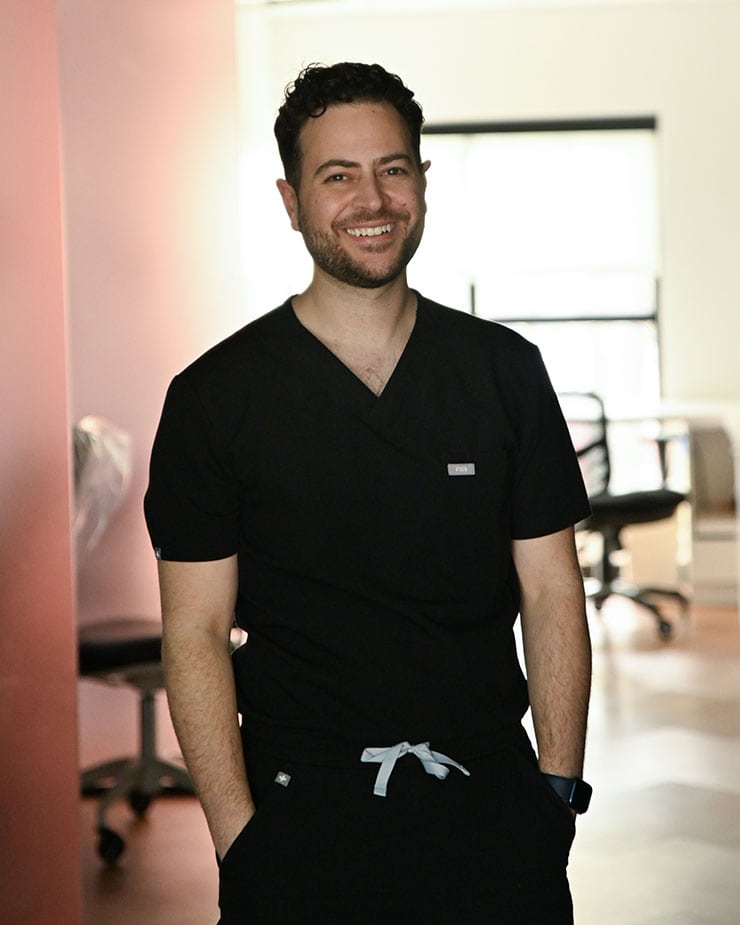
Orthodontists can help with TMJ issues using treatments like custom 3D laser sintered appliances. TMJ/TMD therapy is available at Green Orthodontics, offering comprehensive care for patients. Dr. Green and his team provide personalized solutions to address TMJ problems, enhancing overall oral health and function.
What is accelerated orthodontic treatment?
Accelerated orthodontic treatment utilizes advanced techniques like Propel or AcceleDent to expedite the teeth straightening process. This innovative approach can reduce treatment time by up to 50% compared to traditional methods, helping patients achieve their desired smile faster with fewer appointments.
Are orthodontic consultations usually free?
Orthodontic consultations are typically complimentary. These consultations allow patients to meet the orthodontist, discuss treatment options, and understand the process without financial commitment. It's a chance to assess the individual's needs and determine the best course of action for their orthodontic treatment.
How to clean braces properly?
To clean braces properly, follow these steps:
Brush after every meal and before bed
Use fluoride toothpaste and an interdental brush
Floss at least once per day, using a floss threader if needed
Rinse with mouthwash or water to remove any remaining debris
Avoid sticky, hard, or sugary foods that can damage braces
Regularly visit your orthodontist for adjustments and cleanings
Do braces wires need changing?
Braces wires need changing periodically during orthodontic treatment to maintain proper alignment and tooth movement. The orthodontist will schedule appointments to adjust or replace wires, ensuring treatment progress according to the personalized treatment plan. Regular wire changes are essential for effective results and comfortable orthodontic experience.
Are retainers required after braces?
Yes, retainers are usually required after braces to maintain the alignment of teeth. They help prevent teeth from shifting back to their original position. Retainer wear is essential for long-term results after orthodontic treatment.
rcdc 404, doctor green, green orthopedic, green dental and orthodontics, orthodontist decatur ga, greens orthodontics, green dental orthodontics, braces dentist near me, green decatur, green tree orthodontics, green orthodontics photos, orthodontist in decatur, greene orthodontics, noam green orthodontist, go orthodontics, orthodontist in decatur ga, dr green, emergency, greenfield orthodontics, green ortho, ga orthodontics, dr greene orthodontist, orthodontist near me, orthodontics office near me, dr. gordon orthodontist, green orthodontics decatur, orthodontic office, greens decatur, periorthodontist, dr green orthodontics, decatur orthodontics, dr gordon orthodontist, braces places near me, dental orthodontics near me, noam green, richmond green orthodontics, dr. green orthodontist, orthodontic dentist, green orthodontics reviews, decatur orthodontist, gordon orthodontist, orthodontics, rcdc-404, green orthopedics, gas orthodontics, dr green orthodontist, green orthodontist, green orthodontics, braces greenfield, braces decatur georgia, ortho green, dr green ortho, ortho office, dr greeb, orthodontist decatur, orthodontist near me for braces, green orthodontics columbia sc, green orthodontics clarksville tn, green dentist near me, greens orthopaedic, hall green orthodontics, tooth braces near me, dr greene ortho, braces orthodontist near me, dr. green, go ortho, cc orthodontics, orthodontic offices, dr bryan green orthodontist, 2440 lawrenceville lawrenceville ga 30044, decatur ortho, wood green orthodontics, green and green dentist, dr green orthopedics, orthodontist greenacres, orthodontics near me, braces doctor, green dental near me, go orthodontics office hours, black orthodontist atlanta, orthodontic offices near me, dental orthodontic, dr. green ortho, braces near me, orthodonitcs, dr green dentist near me, green dentistry near me, dr.green, dr. green dentist office, dr green start, adult orthodontics near me, braces doctor near me, orthodontists near me, braces in decatur, orthodontist
Meet Our Team
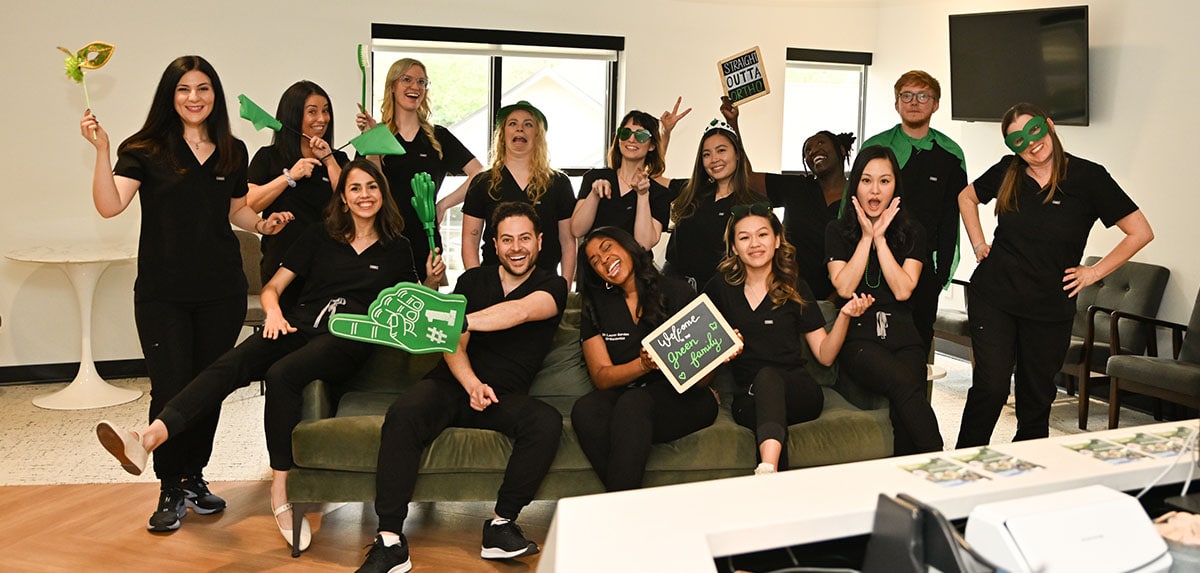
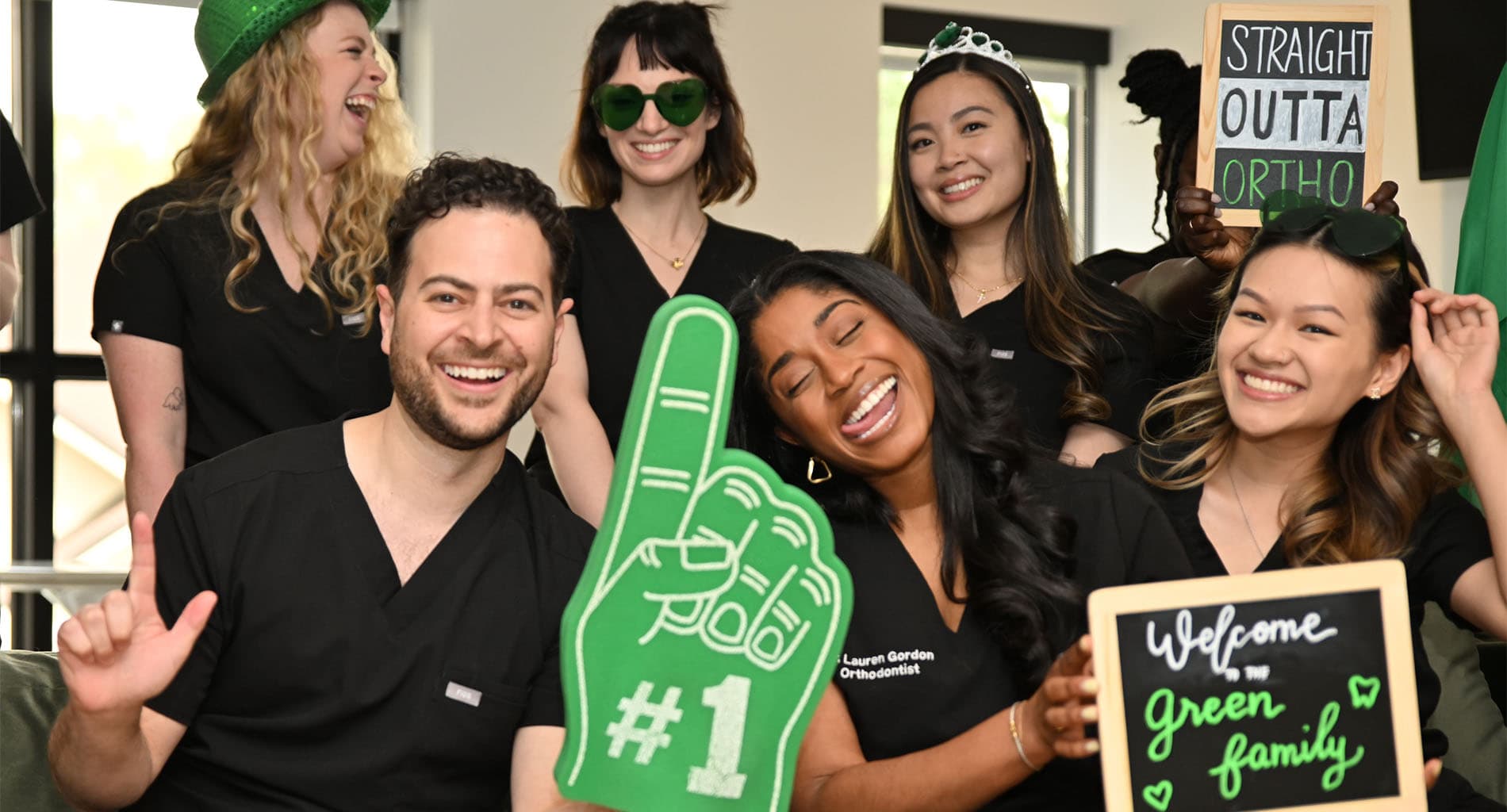
Our team at Green Orthodontics is made up of dedicated professionals who are passionate about providing the best care for our patients. We work together to create a warm and welcoming environment for everyone who walks through our doors. Each member of our team is highly trained and committed to staying up-to-date on the latest advancements in orthodontic technology and techniques.
From our front desk staff who greet you with a smile, to our orthodontic assistants who work closely with our doctors during treatment, every member of our team plays a crucial role in ensuring that your experience at our practice is top-notch. We take pride in the relationships we build with our patients and strive to make each visit a positive and memorable one.
Our Technology
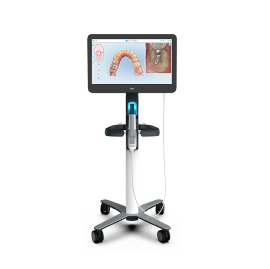
At Green Orthodontics, we believe in using the most advanced technology to provide our patients with the best possible orthodontic care. Our office is equipped with state-of-the-art equipment that allows us to create precise treatment plans and achieve optimal results. From digital x-rays that minimize radiation exposure to 3D imaging technology that provides detailed views of your teeth and jaw, we use cutting-edge tools to ensure that your treatment is efficient and effective.
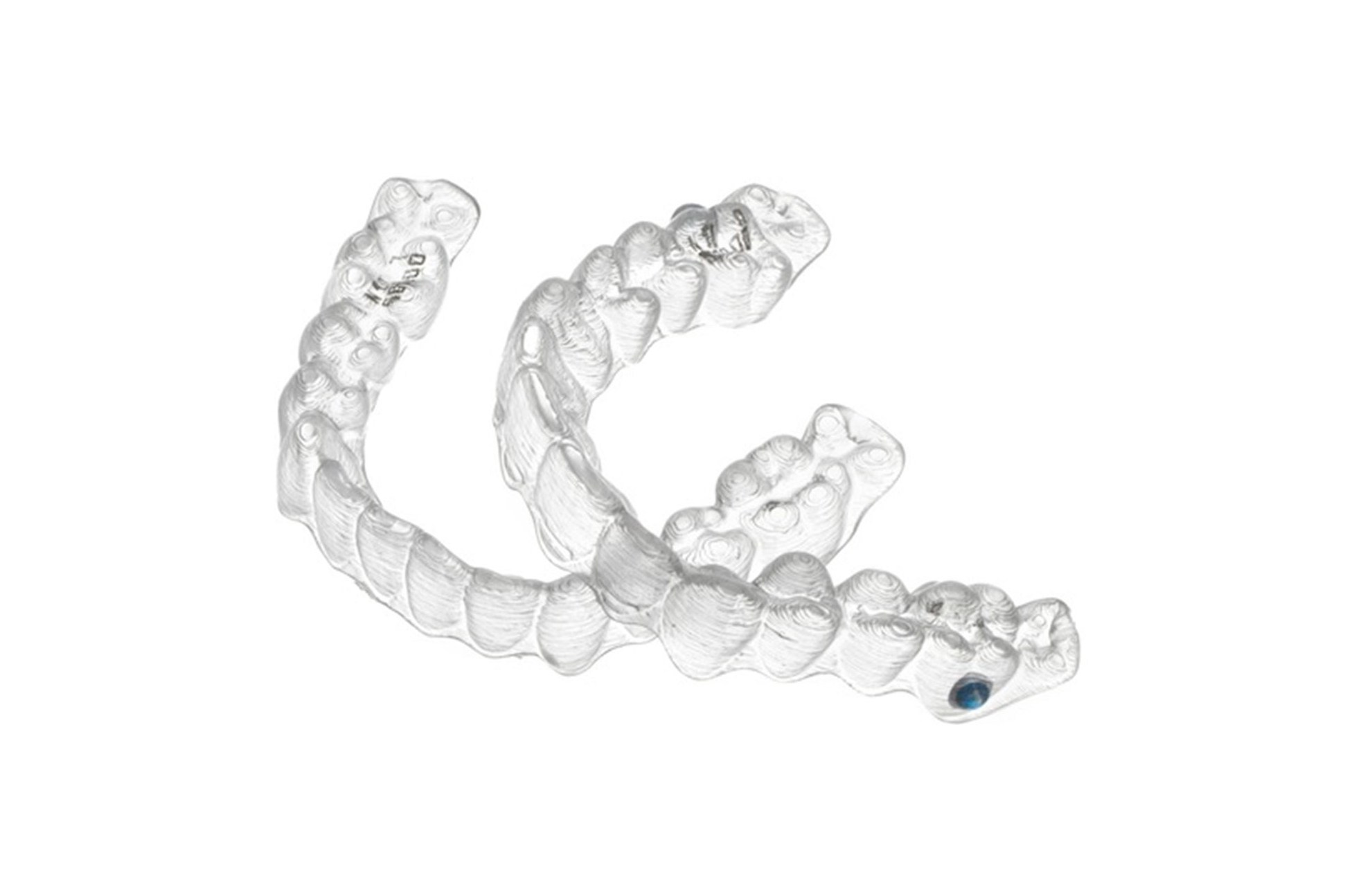
We also offer options like Invisalign clear aligners and custom 3D laser sintered expansion appliances to provide our patients with comfortable and discreet treatment options. Our commitment to utilizing the latest technology allows us to deliver exceptional care and help you achieve the beautiful smile you deserve. Experience the difference that advanced technology can make in your orthodontic journey at Green Orthodontics.
patient, orthodontics, oral hygiene, tooth, hygiene, clear aligners, american association of orthodontists, mouth, confidence, appointment request, greenlake orthodontics, braces, orthodontic care, orthodontic treatment, orthodontist, dr green orthodontist, dr green ortho, green valley orthodontics, green dental & orthodontics, green ortho, green orthodontics
Frequently Asked Questions
How do orthodontists know when to remove braces?
Orthodontists determine when to remove braces based on treatment goals being achieved — straight teeth, proper bite alignment, and overall oral health. Factors like patient compliance, treatment progress, and individual case complexity influence the timing of brace removal. Regular evaluations and adjustments help orthodontists track progress for optimal results.
Does Green Shield cover orthodontics?
Green Shield typically offers coverage for orthodontic treatment, including braces and Invisalign, through their dental plans. However, coverage specifics can vary depending on the plan and individual circumstances. It's recommended to contact Green Shield directly or review the insurance policy to determine the extent of orthodontic coverage available.
Are braces orthodontic treatment?
Yes, braces are a common orthodontic treatment option used to correct misaligned teeth and bite issues. Traditional braces consist of brackets and wires that apply gentle pressure to move teeth into their proper position over time, making them a key orthodontic solution for many patients seeking improved oral health and aesthetics.
Do orthodontic residents get paid?
Orthodontic residents typically receive a stipend or salary during their residency training. The exact amount can vary based on the program, location, and level of training. Residents may also have the opportunity to earn additional income through teaching, research, or other responsibilities within the residency program.
How long does orthodontic treatment last?
The duration of orthodontic treatment varies based on individual needs, but typically lasts from 1 to 3 years. Factors such as alignment issues, treatment type, and adherence to guidelines can impact the timeframe. Regular appointments and proper care help ensure treatment progress efficiently.
What colors are best for braces?
The best colors for braces typically depend on personal preference. Some popular options include neutrals like silver, clear, or white, while others may choose bold colors like blue, green, or purple. Ultimately, it's important to select colors that you feel comfortable and confident wearing during your orthodontic treatment.
Can orthodontists fix crooked teeth?
Yes, orthodontists can fix crooked teeth through treatments such as braces or Invisalign. These methods gradually align the teeth over time, improving the aesthetics and functionality of the smile. Additionally, orthodontists may recommend other interventions like expanders or surgical orthodontics for severe cases. Regular consultations with an orthodontist can help determine the best treatment plan for correcting crooked teeth.
How often are orthodontic check-ups needed?
Regular orthodontic check-ups are typically required every 6 to 8 weeks to monitor progress, make adjustments, and address any issues that may arise during treatment. These visits help ensure the treatment plan is on track for optimal results. Following the orthodontist's recommended schedule is crucial for successful treatment outcomes.
What age should orthodontic treatment start?
Orthodontic treatment typically starts around the age of 7, as recommended by the American Association of Orthodontists. However, the exact age can vary depending on individual needs and consultation with an orthodontic professional. Early treatment can help address issues before they become more severe, leading to better results in the long run.
Are there alternatives to traditional braces?
Yes, alternatives to traditional braces include Invisalign, which uses clear aligners, and other options like ceramic braces or lingual braces. Each option has its benefits and considerations, so discussing with an orthodontist is crucial to determine the best choice for individual needs.
How does orthodontic insurance work?
Orthodontic insurance typically covers a percentage of the total treatment cost, up to a specified lifetime maximum. Patients pay the remaining balance. Prior authorization may be required. Verify coverage, understand deductibles, and co-pays before starting treatment. Ensure the orthodontist accepts your insurance for a smoother reimbursement process.
Can orthodontic work correct overbites?
Yes, orthodontic treatments can correct overbites by realigning the teeth and jaws. Options such as braces or Invisalign are effective in gradually moving the teeth into the correct position, thereby correcting overbites. It's essential to consult with an orthodontist for personalized treatment plans.
Is orthodontic care considered essential?
Orthodontic care is typically considered essential for addressing oral health issues, improving bite function, and enhancing overall well-being. During the COVID-19 pandemic, many orthodontic practices have implemented safety measures to continue providing necessary care while prioritizing patient health. It's important to consult with your orthodontist to determine the essential nature of your specific treatment.
What is the success rate of braces?
The success rate of braces varies depending on individual cases. Typically, braces have a success rate of over 90% in achieving the desired results of straightening teeth and correcting bite issues. Compliance with treatment, proper oral hygiene, and following orthodontist's instructions are crucial factors in achieving successful outcomes with braces.
How to maintain braces hygiene?
To maintain braces hygiene, follow these tips:
Brush after every meal, using a soft-bristle toothbrush and fluoride toothpaste.
Floss daily with a floss threader or orthodontic floss.
Rinse with mouthwash to reach areas brushing may miss.
Avoid sticky, hard, or sugary foods that can damage braces.
Attend regular dental cleanings and check-ups.
Do braces colors have meanings?
Braces colors do not have specific meanings in terms of treatment. However, patients can choose colors to express their personality or style. Some practices offer color options, allowing individuals to customize their braces to suit their preferences. This personalized touch can make the orthodontic experience more enjoyable for patients.
Can braces fix gaps effectively?
Braces are effective in fixing gaps between teeth by gradually moving the teeth into proper alignment. This process can help close gaps and improve overall bite alignment. For more severe cases, additional treatments like dental bonding or veneers may be considered after braces treatment. Regular consultations with an orthodontist can determine the best course of action for individual cases.
What are the risks of orthodontics?
Some risks of orthodontic treatment include tooth decay, gum disease, root resorption, allergic reactions to braces materials, and temporary discomfort or pain. Jaw joint problems, minor changes in bite alignment, and prolonged treatment length are also potential risks to consider. Regular dental check-ups during treatment can help minimize these risks.
How to choose an orthodontist?
When choosing an orthodontist, consider:
1. Experience and expertise in orthodontic treatments.
2. Technology and services offered.
3. Patient reviews and testimonials.
4. Personalized treatment plans.
5. Location and convenience of the practice.
6. Insurance acceptance and payment options.
7. Comfort and atmosphere of the office.
Do clear braces cost more?
Clear braces typically cost slightly more than traditional metal braces due to their innovative material and aesthetics. The exact pricing can vary based on individual factors and treatment needs. Factors influencing the cost include insurance coverage, treatment complexity, and location. It's advisable to consult with an orthodontist for a personalized cost estimate.
Are there orthodontic payment plans?
Yes, at Green Orthodontics, we offer payment plans for orthodontic treatment to make it more affordable for our patients. Our team works with you to find a plan that fits your budget and needs, ensuring you can achieve your smile goals without financial stress. Contact us to discuss payment options.
Can adults benefit from orthodontics?
Yes, adults can benefit from orthodontics. Treatment options like Invisalign and braces can straighten teeth, improve bite alignment, and enhance overall oral health. Orthodontic treatment for adults is common and can boost confidence and self-esteem. Consultation with an orthodontist can determine the best approach for individual needs.
How to manage braces discomfort?
To manage braces discomfort, consider the following tips:
Use orthodontic wax to cover any irritating brackets or wires.
Eat soft foods to reduce pressure on teeth.
Rinse with warm salt water for relief.
Take over-the-counter pain medication as needed.
Communicate with your orthodontist for guidance.
Do braces impact speech?
Braces may temporarily affect speech, causing a lisp or difficulty pronouncing certain sounds initially. However, with practice and adaptation, speech should improve as the mouth adjusts to the braces. Proper oral hygiene and regular adjustments by the orthodontist can help minimize speech changes during treatment.
Can orthodontists treat TMJ issues?
Orthodontists can help with TMJ issues using treatments like custom 3D laser sintered appliances. TMJ/TMD therapy is available at Green Orthodontics, offering comprehensive care for patients. Dr. Green and his team provide personalized solutions to address TMJ problems, enhancing overall oral health and function.
What is accelerated orthodontic treatment?
Accelerated orthodontic treatment utilizes advanced techniques like Propel or AcceleDent to expedite the teeth straightening process. This innovative approach can reduce treatment time by up to 50% compared to traditional methods, helping patients achieve their desired smile faster with fewer appointments.
Are orthodontic consultations usually free?
Orthodontic consultations are typically complimentary. These consultations allow patients to meet the orthodontist, discuss treatment options, and understand the process without financial commitment. It's a chance to assess the individual's needs and determine the best course of action for their orthodontic treatment.
How to clean braces properly?
To clean braces properly, follow these steps:
Brush after every meal and before bed
Use fluoride toothpaste and an interdental brush
Floss at least once per day, using a floss threader if needed
Rinse with mouthwash or water to remove any remaining debris
Avoid sticky, hard, or sugary foods that can damage braces
Regularly visit your orthodontist for adjustments and cleanings
Do braces wires need changing?
Braces wires need changing periodically during orthodontic treatment to maintain proper alignment and tooth movement. The orthodontist will schedule appointments to adjust or replace wires, ensuring treatment progress according to the personalized treatment plan. Regular wire changes are essential for effective results and comfortable orthodontic experience.
Are retainers required after braces?
Yes, retainers are usually required after braces to maintain the alignment of teeth. They help prevent teeth from shifting back to their original position. Retainer wear is essential for long-term results after orthodontic treatment.
rcdc 404, doctor green, green orthopedic, green dental and orthodontics, orthodontist decatur ga, greens orthodontics, green dental orthodontics, braces dentist near me, green decatur, green tree orthodontics, green orthodontics photos, orthodontist in decatur, greene orthodontics, noam green orthodontist, go orthodontics, orthodontist in decatur ga, dr green, emergency, greenfield orthodontics, green ortho, ga orthodontics, dr greene orthodontist, orthodontist near me, orthodontics office near me, dr. gordon orthodontist, green orthodontics decatur, orthodontic office, greens decatur, periorthodontist, dr green orthodontics, decatur orthodontics, dr gordon orthodontist, braces places near me, dental orthodontics near me, noam green, richmond green orthodontics, dr. green orthodontist, orthodontic dentist, green orthodontics reviews, decatur orthodontist, gordon orthodontist, orthodontics, rcdc-404, green orthopedics, gas orthodontics, dr green orthodontist, green orthodontist, green orthodontics, braces greenfield, braces decatur georgia, ortho green, dr green ortho, ortho office, dr greeb, orthodontist decatur, orthodontist near me for braces, green orthodontics columbia sc, green orthodontics clarksville tn, green dentist near me, greens orthopaedic, hall green orthodontics, tooth braces near me, dr greene ortho, braces orthodontist near me, dr. green, go ortho, cc orthodontics, orthodontic offices, dr bryan green orthodontist, 2440 lawrenceville lawrenceville ga 30044, decatur ortho, wood green orthodontics, green and green dentist, dr green orthopedics, orthodontist greenacres, orthodontics near me, braces doctor, green dental near me, go orthodontics office hours, black orthodontist atlanta, orthodontic offices near me, dental orthodontic, dr. green ortho, braces near me, orthodonitcs, dr green dentist near me, green dentistry near me, dr.green, dr. green dentist office, dr green start, adult orthodontics near me, braces doctor near me, orthodontists near me, braces in decatur, orthodontist
Meet Our Team
Our team at Green Orthodontics is made up of dedicated professionals who are passionate about providing the best care for our patients. We work together to create a warm and welcoming environment for everyone who walks through our doors. Each member of our team is highly trained and committed to staying up-to-date on the latest advancements in orthodontic technology and techniques.
From our front desk staff who greet you with a smile, to our orthodontic assistants who work closely with our doctors during treatment, every member of our team plays a crucial role in ensuring that your experience at our practice is top-notch. We take pride in the relationships we build with our patients and strive to make each visit a positive and memorable one.
Our Technology
At Green Orthodontics, we believe in using the most advanced technology to provide our patients with the best possible orthodontic care. Our office is equipped with state-of-the-art equipment that allows us to create precise treatment plans and achieve optimal results. From digital x-rays that minimize radiation exposure to 3D imaging technology that provides detailed views of your teeth and jaw, we use cutting-edge tools to ensure that your treatment is efficient and effective.
We also offer options like Invisalign clear aligners and custom 3D laser sintered expansion appliances to provide our patients with comfortable and discreet treatment options. Our commitment to utilizing the latest technology allows us to deliver exceptional care and help you achieve the beautiful smile you deserve. Experience the difference that advanced technology can make in your orthodontic journey at Green Orthodontics.